
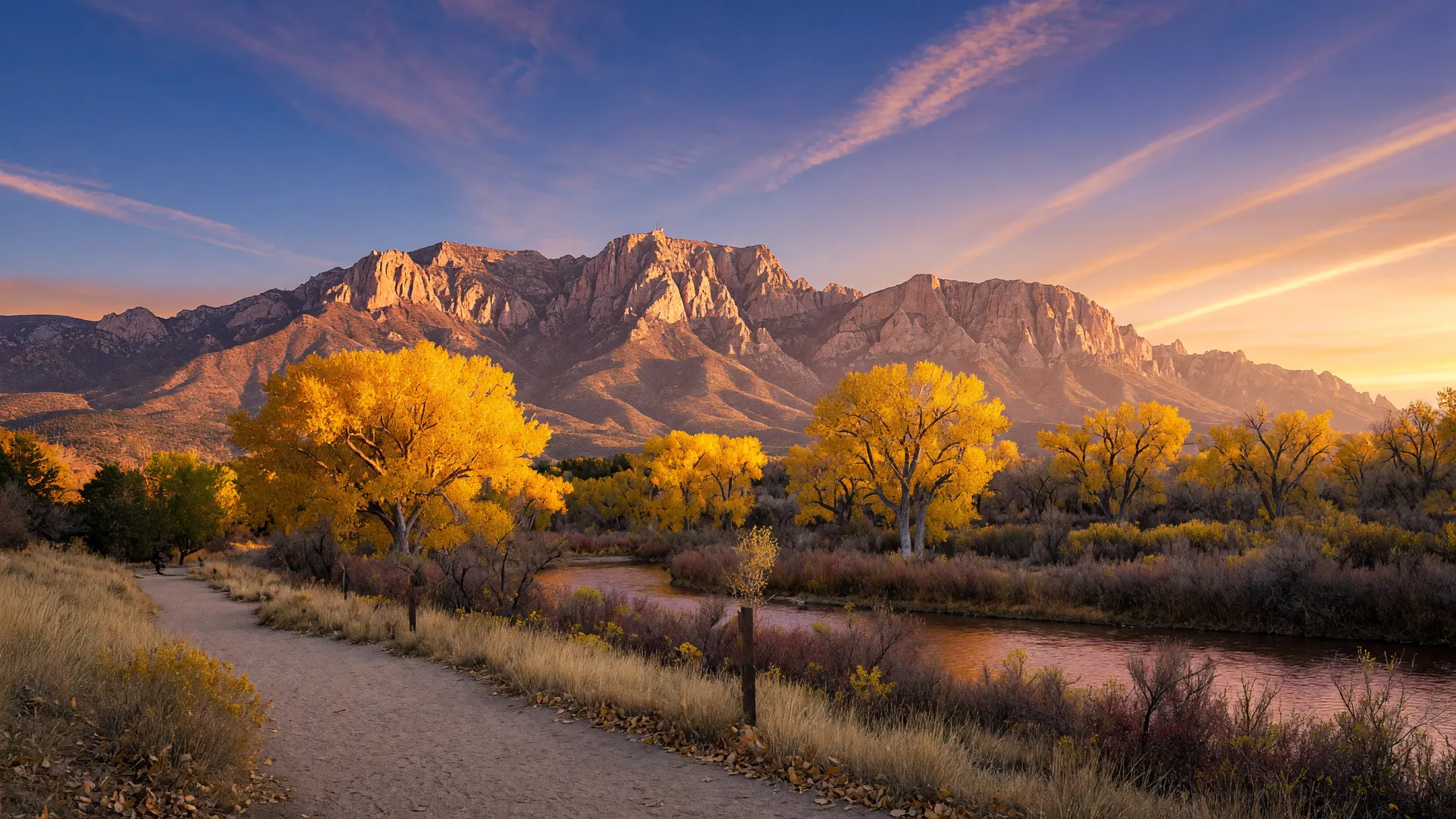
Central New Mexico is an outdoor paradise. With over 310 days of sunshine each year, diverse terrain that ranges from high desert mesas to alpine forests, and uncrowded trails that stretch for miles, this corner of the Southwest offers something for every kind of adventurer.
As an AI Certified Agent with 29 years of experience helping people find homes in Los Lunas, Albuquerque, and the surrounding communities, I have watched countless clients fall in love with this region not just for its affordable real estate, but for the lifestyle it affords. The outdoor activities in Central New Mexico are a major reason people choose to put down roots here. Whether you are a lifelong resident or considering a move, this guide covers the very best outdoor experiences the area has to offer.
Why Central New Mexico is an Outdoor Paradise
What makes Central New Mexico stand out as an outdoor destination is the combination of climate, diversity of terrain, and accessibility. The numbers speak for themselves. With over 310 days of sunshine per year, you can plan outdoor activities with confidence knowing that the weather will cooperate more often than not. The low humidity means even summer temperatures in the 90s feel comfortable in the shade, and the mild winters with daytime highs in the 40s and 50s keep trails and parks usable year-round.
The geography is remarkably varied within a short drive. The Sandia Mountains rise dramatically from the Rio Grande Valley floor to over 10,000 feet, offering cool alpine air and forested trails just 30 minutes from downtown Albuquerque. The Rio Grande itself cuts through the heart of the region, creating a lush bosque of cottonwood trees that provides shade, wildlife habitat, and miles of flat trails. To the south, the Manzano Mountains offer quieter, less crowded hiking. To the west, volcanic mesa country stretches toward the horizon. And the high desert plateaus and canyons in between offer endless exploration.
Perhaps best of all, outdoor recreation here is not crowded. Compared to popular destinations in Colorado, Utah, or California, you will find plenty of space on most Central New Mexico trails. You can hike a mountain trail on a Saturday morning and see only a handful of other people. That solitude is increasingly rare, and it is one of the things that makes this region so special.
Hiking and Trail Running
Hiking is the most accessible outdoor activity in Central New Mexico, and the variety of trails here is remarkable. Whether you want a gentle riverside stroll or a lung-burning climb to a 10,000-foot summit, you will find a trail that fits.
Top Hiking Trails
La Luz Trail is arguably the most famous hike in New Mexico. This strenuous 7.5-mile ascent climbs over 3,500 feet from the desert floor to the Sandia Crest at 10,378 feet. The trail passes through four distinct climate life zones, starting in piñon-juniper desert and ending in spruce-fir alpine forest. The views of Albuquerque and the Rio Grande Valley from the top are absolutely breathtaking. Most hikers take 5 to 7 hours round trip, and the trail is best tackled in spring or fall when temperatures are moderate.
Sandia Crest Trail (also called Crest Trail #130) runs 26 miles along the mountain crest, connecting the Sandia Crest to the Capilla Peak area in the Manzanos. Shorter sections are excellent for day hikes, including the scenic 1.75-mile stretch from the Sandia Crest to the Upper Tram Terminal, which offers panoramic views in both directions.
Paseo del Bosque Trail is a 16-mile paved trail that runs along the Rio Grande through Albuquerque. It is flat, shaded by enormous cottonwood trees, and perfect for walking, running, or biking. The trail connects multiple parks and natural areas and is accessible to all fitness levels. It is also one of the best bird-watching corridors in the state.
El Cerro de Los Lunas is a volcanic plug that rises above the village of Los Lunas in Valencia County. The trail to the top is a moderate hike with switchbacks that reward you with panoramic views of the entire Rio Grande Valley, the Sandia Mountains, and the Manzano Mountains. It is a favorite local hike for residents of Los Lunas and the surrounding communities.
Manzano Mountains south of Albuquerque offer a quieter alternative to the often-busy Sandia trails. The Manzano Crest Trail, Fourth of July Canyon, and the trails around Capilla Peak are less crowded and equally beautiful. In the fall, the aspen groves in the higher elevations turn spectacular shades of gold.
Other notable trails include the Pino Trail (a 6.5-mile climb through piñon and juniper groves), Tree Spring Trail (an easy 1.9-mile hike popular with families), and Paseo del Volcan Trail in the Cibola National Forest west of Albuquerque.
Tips for Hiking in New Mexico
The dry climate in New Mexico dehydrates you faster than you might expect. Carry at least one gallon of water per person for a full-day hike. Start early to avoid the afternoon heat and the summer thunderstorm season, when lightning is a real danger above treeline. Watch for wildlife on the trail: rattlesnakes are most active from March through October, and you may also encounter mule deer, roadrunners, lizards, and the occasional black bear or mountain lion in higher elevations. Spring and fall are the best seasons for hiking, with comfortable temperatures and the most stable weather.
Skiing and Snowboarding
While New Mexico might not have the name recognition of Colorado or Utah for winter sports, the skiing here is excellent. The proximity of world-class slopes to Central New Mexico is a huge advantage for residents.
Sandia Peak Ski Area
Located just 30 minutes from Albuquerque, Sandia Peak Ski Area is the most convenient mountain for residents of Central New Mexico. The ski area sits on the east side of the Sandia Mountains and features 35 trails across 200 skiable acres. With 6 lifts and about 117 inches of annual snowfall, the season typically runs from late November through March. The terrain is mostly beginner and intermediate, making it a great mountain for families and those learning to ski. The views of the eastern plains from the top are spectacular.
Taos Ski Valley
About three hours north of Albuquerque, Taos Ski Valley is a world-class destination that serious skiers should not miss. Known for its steep terrain, deep powder, and challenging runs, Taos has a reputation as one of the best resorts in the western United States. The mountain receives over 300 inches of snowfall annually and offers terrain for every skill level, though experts will find the most to love here. It is a bucket-list destination for any skier living in New Mexico.
Santa Fe Ski Basin
Santa Fe Ski Basin is about an hour north of Albuquerque and offers a beautiful mountain setting with a mix of beginner, intermediate, and expert runs. The terrain is more varied than Sandia Peak, and the mountain captures plenty of snow. It is a great option for a day trip from Central New Mexico, especially for intermediate skiers and families.
Hot Air Ballooning
Albuquerque is the hot air ballooning capital of the world, and for good reason. The unique combination of geography and weather creates the "Albuquerque Box" — a phenomenon where wind currents at different altitudes blow in opposite directions, allowing skilled pilots to navigate balloon flights that return close to their launch point.
The Albuquerque International Balloon Fiesta in October is the largest balloon event in the world, drawing hundreds of balloons and thousands of spectators from around the globe. The Mass Ascension at dawn, when hundreds of balloons inflate and lift off in sequence, is one of the most spectacular sights you will ever see. But you do not have to wait for the Fiesta to experience ballooning. Year-round balloon rides are available from several operators including Rainbow Ryders, World Balloon, and Fly Albuquerque.
What to expect on a balloon ride: you arrive at the launch site around 6:30 a.m. and watch the crew inflate the balloon. The flight lasts 45 to 60 minutes, floating silently over the Rio Grande Valley with the Sandia Mountains to the east and the mesas to the west. There is no sensation of movement — you drift with the wind, watching the landscape pass beneath you. After landing, a champagne toast and light snacks are customary. The entire experience lasts about 3 to 4 hours. Shared flights cost roughly $150 to $250 per person. The best time for ballooning is early morning when winds are calmest.
Mountain Biking
Central New Mexico has become a serious mountain biking destination, with trails that range from beginner-friendly to expert-only. The dry climate and extensive trail network make it possible to ride almost year-round.
Best Mountain Biking Trails
Sandia Crest Road is a challenging climb that rewards riders with stunning views at the top. The road is closed to cars in winter but open to cyclists, offering a 12-mile climb with over 3,000 feet of elevation gain. It is a bucket-list ride for serious cyclists.
Tijeras Canyon trails offer multiple difficulty levels within easy reach of Albuquerque. The Elena Gallegos Open Space has 640 acres of trails, including a 16-mile intermediate loop system. The Cedro and Coyote trail system offers 30 miles of singletrack through piñon and juniper forest.
Paseo del Bosque is a flat, 16-mile paved trail perfect for family-friendly rides, casual cyclists, and those who want a scenic ride without the technical challenge. It follows the Rio Grande through cottonwood bosque and connects to several city parks.
Otero Canyon, located about 30 minutes south of Albuquerque in the Manzano Mountains, offers a backcountry experience with less traffic and beautiful scenery. The trails here range from smooth flow trails to more technical terrain.
Horseback Riding
With its wide-open spaces, mountain trails, and a strong ranching tradition, Central New Mexico is a fantastic place for horseback riding. Several local ranches and outfitters offer guided trail rides that are suitable for everyone from first-time riders to experienced equestrians.
Sandia Mountain trail rides take you through piñon-juniper forests and offer stunning views of the Rio Grande Valley. Many guided rides last one to two hours and include experienced wranglers who will teach you the basics if needed.
Bosque trails along the Rio Grande provide a completely different riding experience. The flat, shaded trails through the cottonwood forest are perfect for a leisurely ride, with excellent opportunities for bird watching along the way.
High desert mesa rides in the areas west of the Rio Grande offer wide-open spaces and dramatic sunset views. These rides give you a sense of what the Old West must have felt like, with miles of open country stretching in every direction.
Horse properties are especially popular in communities like Bosque Farms, where many homes sit on one to five acres with dedicated horse facilities. If you are an equestrian looking for a home near riding trails, this area is hard to beat.
Water Activities
While New Mexico is an arid state, the Rio Grande and several reservoirs provide excellent opportunities for water-based recreation.
Kayaking and Paddleboarding
Rio Grande sections near Albuquerque offer both calm stretches for beginners and more challenging water for experienced paddlers. The run through the Albuquerque Bosque is mostly flat water, while sections further north near the Rio Grande Gorge provide Class II and III rapids.
Cochiti Lake, about 45 minutes north of Albuquerque, is excellent for beginners. The lake is large with calm water, making it ideal for stand-up paddleboarding, kayaking, and canoeing. Equipment rentals are available at the marina.
Isleta Lakes, located just south of Albuquerque, offer fishing and paddling in a series of small lakes. They are a convenient option for a quick afternoon on the water without a long drive.
Fishing
The Rio Grande through Central New Mexico holds trout, bass, and catfish. The quality of fishing varies by section, but the stretch near the Pueblo of Isleta and the Bosque areas are popular for bank fishing.
Cochiti Lake is stocked with catfish, bass, and walleye, and offers good fishing from both shore and boat. Elephant Butte Reservoir, about two hours south near Truth or Consequences, is the largest lake in New Mexico and a premier destination for fishing and boating. Jemez Mountain streams offer classic fly fishing for trout in a beautiful mountain setting, about an hour and a half from Albuquerque.
Rock Climbing
The Sandia Mountains are a world-class climbing destination. The west side of the Sandias features over 300 documented climbing routes on granite fins, towers, and walls. Routes range from single-pitch sport climbs to multi-pitch trad routes of 10 to 15 pitches. The climbing here is serious and spectacular, with exposed positions and incredible views over the Rio Grande Valley.
Box Canyon, located near the town of Placitas north of Albuquerque, offers excellent bouldering and trad climbing on limestone. The canyon is scenic and the climbing is varied, with routes for a range of abilities.
The climbing community in New Mexico is active and welcoming. Local climbing shops in Albuquerque organize group trips, and the New Mexico Climbers Association works to maintain access and protect climbing areas. Whether you are a seasoned climber or looking to try the sport for the first time, you will find a supportive community here.
Bird Watching and Wildlife
New Mexico is one of the best bird-watching states in the country, with over 500 bird species recorded. The Rio Grande corridor is a major migratory flyway, and the variety of habitats from desert to alpine forests creates exceptional biodiversity.
Bosque del Apache National Wildlife Refuge, about two hours south of Albuquerque near Socorro, is one of the most famous bird-watching destinations in North America. Every winter, tens of thousands of sandhill cranes and snow geese gather here, and the dawn fly-out — when the birds lift off the water in a great wave of sound and motion — is an unforgettable spectacle. The refuge is open year-round and offers auto tours, hiking trails, and photography blinds.
Closer to home, the Rio Grande Nature Center State Park in Albuquerque offers 328 recorded bird species in an accessible riverside setting. The Valle de Oro National Wildlife Refuge just south of Albuquerque has recorded 263 species and offers easy walking trails. In Valencia County, the Whitfield Wildlife Conservation Area in Belen has recorded 228 species and is open Tuesday through Saturday from 8 a.m. to 4:30 p.m. The best times for birding are early morning in spring and fall during migration season.
Camping
Camping in Central New Mexico ranges from developed campgrounds with amenities to dispersed camping on public lands for those who want true solitude.
Cibola National Forest has multiple campgrounds in the Sandia and Manzano Mountains. These are generally open from May through October and offer picnic tables, fire rings, and vault toilets. The higher elevation means cooler temperatures in summer, making them a popular escape from the valley heat. Manzano Mountains campgrounds like Red Canyon and Manzano are quieter and less crowded than their Sandia counterparts.
Jemez Springs, about 90 minutes from Albuquerque, offers camping combined with natural hot springs. The Jemez Falls Campground and other sites along the Jemez River are beautifully situated in a mountain canyon, and the nearby hot springs provide a relaxing soak after a day of hiking.
For more adventurous campers, dispersed camping is allowed on most Bureau of Land Management and National Forest lands in the region. The areas west of the Rio Grande and the foothills of the Manzanos offer many opportunities for primitive camping. Always practice Leave No Trace principles, camp at least 100 feet from water sources, and check fire restrictions before building a campfire.
Golfing
With over 310 days of sunshine per year, golf is a year-round activity in Central New Mexico. The region offers several excellent courses that take advantage of the stunning mountain scenery.
Tierra del Sol Golf Club in Belen offers 18 holes with panoramic views of the Manzano Mountains. It is a well-maintained course with affordable rates. Isleta Eagle Golf Course, located on the Isleta Pueblo south of Albuquerque, is a championship course that has hosted professional events. The course winds through the bosque along the Rio Grande, with water hazards and mature trees on many holes.
UNM Championship Course in Albuquerque is a classic Tom Fazio-designed course that offers a challenging round with the Sandia Mountains as a backdrop. Several other municipal and resort courses throughout the area provide options for every budget and skill level. Greens fees are generally lower than in many other parts of the country, making golf an accessible hobby here.
Scenic Drives and Road Trips
Some of the best outdoor experiences in Central New Mexico can be enjoyed from behind the wheel. The scenic byways here are spectacular.
Turquoise Trail National Scenic Byway (Highway 14) runs between Albuquerque and Santa Fe through the old mining towns of Cedar Crest, Madrid, and Cerrillos. The road winds through piñon-juniper hills with the Sandia Mountains to the west and the Ortiz Mountains to the east. Madrid is a former coal mining town turned artists' colony, with galleries, shops, and a historic saloon.
Route 66 historic corridor runs through Albuquerque and the surrounding area. The Central Avenue alignment through Albuquerque is the most famous stretch, but original Route 66 alignments also pass through Los Lunas and Belen, offering a nostalgic journey through the history of the Mother Road.
Sandia Crest Scenic Byway (Highway 536) climbs from the east side of the Sandias to the Sandia Crest at 10,378 feet. The 14-mile road offers stunning views at every turn, with the forest changing from piñon-juniper to ponderosa pine to spruce-fir as you climb. At the top, the Sandia Crest House offers food, souvenirs, and panoramic views of over 11,000 square miles.
The Enchanted Circle near Taos is about a 3-hour drive from Albuquerque but well worth the trip. The 83-mile loop passes through Taos, Angel Fire, Eagle Nest, Red River, and Questa, with the Sangre de Cristo Mountains as a constant backdrop.
Stargazing
New Mexico is famous for its dark skies, and the areas around Central New Mexico offer some of the best stargazing in the continental United States. The combination of high altitude, low humidity, and minimal light pollution in many areas creates exceptional viewing conditions.
Chaco Culture National Historical Park, about three hours northwest of Albuquerque, is an International Dark Sky Park and one of the best stargazing destinations in the world. On a clear night around the new moon, the Milky Way is so bright it casts shadows on the ground. The park also offers ranger-led astronomy programs during certain times of the year.
Closer to home, the rural areas of Valencia County, particularly around Bosque Farms and Belen, offer excellent dark skies. The Capilla Peak area in the Manzano Mountains is another great option for stargazing. The best times to observe are during the new moon phase, when the sky is darkest. Depending on the season, you can see the Milky Way, meteor showers like the Perseids (August) and Geminids (December), planets, and countless constellations.
Seasonal Outdoor Activities Calendar
Spring (March to May)
Spring is one of the best seasons for outdoor activities in Central New Mexico. Wildflowers bloom across the desert and in the mountain foothills, with desert marigolds, Indian paintbrush, and Apache plume adding color to the landscape. Temperatures are mild and perfect for hiking, biking, and horseback riding. Local farmers markets begin opening in April, offering fresh local produce, honey, and handmade goods. This is also a prime season for bird watching as migratory species pass through the Rio Grande corridor.
Summer (June to August)
Summer brings warm temperatures to the valley, but the low humidity makes it more comfortable than many other parts of the country. Early morning is the best time for hiking and biking in the lower elevations. Higher elevation trails in the Sandia and Manzano mountains offer cooler temperatures and are popular for afternoon hikes. Hot air ballooning continues through the summer with early morning flights. Outdoor concerts, swimming at Cochiti Lake, and fishing evenings on the Rio Grande are classic summer activities. The monsoon season (July through September) brings dramatic afternoon thunderstorms that cool things off and create spectacular skies.
Fall (September to November)
Fall is the peak season for outdoor activities in Central New Mexico. The Albuquerque International Balloon Fiesta in October draws visitors from around the world. The weather is perfect for hiking, with cool mornings, warm afternoons, and golden aspen leaves in the higher elevations. The harvest season brings abundant local produce, including the famous Hatch green chile. This is also the best time for stargazing as the nights get longer and skies stay clear. The Rio Grande bosque turns golden as the cottonwood leaves change color, creating one of the most beautiful scenes of the year.
Winter (December to February)
Winter is ski season in New Mexico. Sandia Peak Ski Area is just 30 minutes from Albuquerque, and Santa Fe Ski Basin and Taos Ski Valley are within driving distance for day or weekend trips. Snowshoeing is popular in the Jemez Mountains and the higher elevations of the Sandias. In the valley, mild daytime temperatures make it possible to hike the lower trails year-round. December brings the tradition of luminarias (farolitos) — small paper lanterns on sand that line streets and rooftops on Christmas Eve, creating a warm glow across communities. Clear winter nights offer some of the best stargazing of the year, with crisp air and long hours of darkness.
Frequently Asked Questions
What is the best time of year for outdoor activities in New Mexico?
Spring (March to May) and Fall (September to November) offer the most comfortable temperatures for hiking, biking, and climbing. Summer is ideal for ballooning, water activities, and high-altitude hiking. Winter (December to February) is perfect for skiing at Sandia Peak, Santa Fe, and Taos. With over 310 days of sunshine per year, there is always something to do outdoors in Central New Mexico.
Do I need a permit for hiking in the Sandia Mountains?
Most trailheads in the Sandia Mountains and Cibola National Forest do not require a permit for day hiking. However, a National Forest Adventure Pass or day-use fee may be required at certain trailheads. The La Luz Trail, Pino Trail, and Tree Spring Trail are all accessible without a reservation for day hikes. Overnight backpacking requires a free backcountry permit from the Sandia Ranger District. Always check current conditions with the Sandia Ranger Station before heading out.
Where can I rent equipment for kayaking or skiing in Central New Mexico?
For kayaking and paddleboarding, equipment rentals are available at Cochiti Lake Marina and several outfitters in Albuquerque. For skiing, the Sandia Peak Ski Area offers full rental packages including skis, boots, and poles. REI in Albuquerque rents both winter and water sports equipment. For mountain bikes, several local shops in Albuquerque offer rentals ranging from cross-country to full-suspension trail bikes.
Is it safe to hike alone in New Mexico?
Hiking alone in New Mexico is generally safe if you take proper precautions. Carry plenty of water (at least one gallon per person per day in warm weather), let someone know your route and expected return time, start early to avoid afternoon heat and thunderstorms, and stay on marked trails. Cell service is limited in many mountain and canyon areas, so carry a physical map. Popular trails like the Paseo del Bosque and lower foothills trails are well-traveled and suitable for solo hikers.
What wildlife should I watch out for in Central New Mexico?
While wildlife encounters are generally safe if you respect their space, hikers and bikers should be aware of rattlesnakes (most active March through October), mountain lions (rare but present in the Sandias and Manzanos), black bears (in higher elevation forests), and coyotes. You will also commonly see mule deer, roadrunners, lizards, eagles, hawks, and great blue herons. Give all wildlife plenty of space, never feed animals, and keep dogs on a leash. It is safer for you, your pet, and the wildlife.
Are there guided outdoor tours available in Central New Mexico?
Yes, guided outdoor tours are widely available throughout Central New Mexico. Hot air balloon companies like Rainbow Ryders and World Balloon offer guided sunrise flights with experienced pilots. Horseback riding ranches near the Sandia Mountains and in the Bosque area offer guided trail rides for all experience levels. The Sandia Peak Tramway offers guided nature walks at the crest. Several local outfitters lead guided hiking, mountain biking, and rock climbing trips in the Sandias and Manzano Mountains.
Ready to Explore Central New Mexico?
The outdoor activities in Central New Mexico are one of the best reasons to live here. From hiking the La Luz Trail at dawn to watching the balloons rise over the Rio Grande at sunrise, from skiing fresh powder at Sandia Peak to stargazing under some of the darkest skies in the country, this region offers a quality of life that is hard to match anywhere else.
If you are considering a move to central New Mexico and want to be close to the best outdoor recreation the state has to offer, I can help you find the perfect home. Whether you are looking for a weekend cabin in the foothills, a horse property in Bosque Farms, a family home in Los Lunas near the Paseo del Bosque, or a place with mountain views in the East Mountains, I know the neighborhoods, the trails, and the communities that will make your outdoor lifestyle possible.
With 29 years of experience in the central New Mexico market and an AI Certified Agent designation that gives me access to the best data and analytics, I am uniquely equipped to help you find a home that puts the best of New Mexico's outdoors at your doorstep.
Contact me today to start the conversation. No pressure, no obligation. Just honest answers about life in Central New Mexico and whether it is the right move for you.
Harriett Taylor, AI Certified Real Estate Agent